
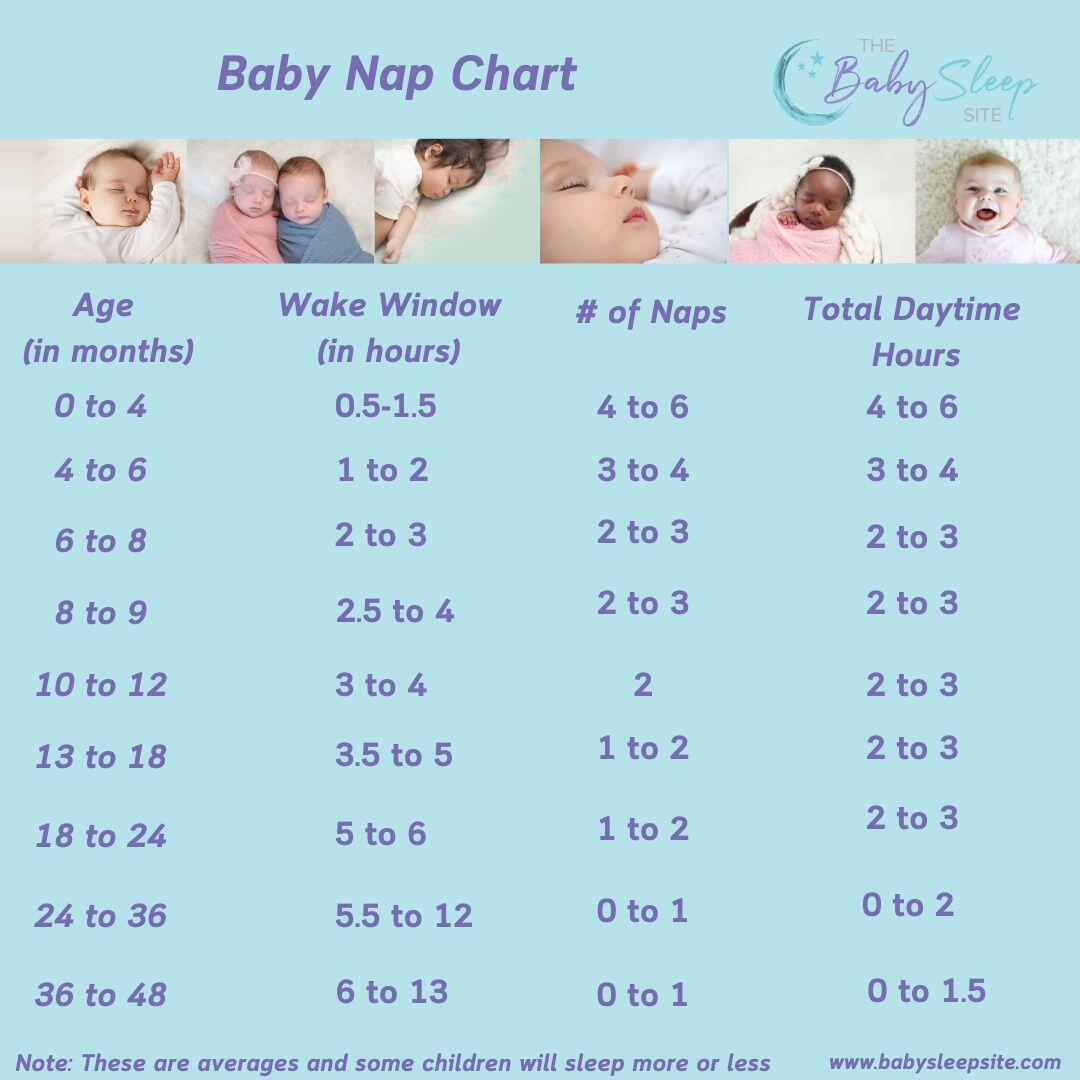
We get nap questions all the time — and if you’re reading this, you’re probably running on coffee and hope, wondering:
“How many naps should my baby take? How long should each one be? And how do I know if we’re on the right track?”
You’re not alone! Naps can feel like one of the hardest parts of baby sleep — just when you get into a rhythm, your little one’s schedule changes again. The truth is, nap needs shift a lot in the first few years. But don’t worry — we’ve helped thousands of families figure this out, and we’re sharing our easy-to-follow Baby Nap Chart (updated for 2026!) so you’ll know what’s normal, what’s not, and when to expect changes.
Why Naps Matter (For Both Baby and You!)
Naps aren’t just for giving parents a breather — though we all need one! Daytime sleep plays a huge role in your baby’s mood, brain development, and even how well they sleep at night.
Well-timed naps help prevent overtiredness, which can lead to crankiness, short naps, and night waking. Getting the right amount of daytime sleep helps your baby fall asleep easier at bedtime and stay asleep longer overnight.
Baby Nap Chart: Naps By Age
| Age | # of Naps | Total Amount of Daytime Sleep | Length of Each Nap | Awake Time Between Naps | Notes |
|---|---|---|---|---|---|
| 0 – 11 Weeks | 6-8 Naps | 4-5 hours | 10 or 15 minutes – 4 hours | 30 mins – 1 hour | Naps are all over the map at this age, so don’t fret about short and erratic naps. Focus on daily feeding and sleep routines and use those to shape your day. |
| 3-4 Months | 4-5 Naps | 3-4 hours | 30 minutes-2 hours | about 1-2 hours | Watch for the 4 month sleep regression right around this time; it will throw off even the best napper! |
| 5-6 Months | 3-4 Naps | 2.5-3.5 hours | 30/45 minutes-2 hours | about 2 hours | Short naps are normal in the first 5-6 months of your baby’s life, but starting around 6 months, your baby’s nap sleep should start to consolidate into more predictable, regular naps. |
| 7-8 Months | 2-3 Naps | 2-3 hours | 1-2 hours | 2-3 hours | Another sleep regression strikes at around 8 or 9 months, and a nap transition sometimes happens around this same time – from 3 naps to 2. |
| 9-12 Months | 2 Naps | 2-3 hours | 1-2 hours | about 3-4 hours | By this point, your baby should be napping pretty predictably. See our sample nap and feeding schedules for help building a more consistent nap schedule, if you’re still struggling with erratic naps. |
| 13-17 Months | 1-2 Naps | 2-3 hours | 1-3 hours | 3-5 hours | Resist the impulse to transition to 1 nap when your baby turns 12 months old. Most babies don’t make the transition to 1 nap until closer to 15-18 months, so hang on to that second nap as long as you can. |
| 18 Months-3 Years | 1 Nap | 1-3 hours | 1.5-2.5 hours | 5-6 hours | Watch your toddler’s awake time between the end of the afternoon nap and bedtime – as your toddler grows, he’ll need longer and longer afternoon wake time, which means you’ll need to time the nap carefully to be sure it doesn’t push bedtime too late. Additionally, some children will drop the afternoon nap entirely before age 3. |
Tip: It’s common for babies to be “between” two nap patterns for several weeks. If your baby’s schedule doesn’t perfectly match the chart, that’s okay! Transitions take time.
When Your Baby’s Naps Don’t Match the Chart (and What to Do)
If your baby’s nap schedule looks different from the chart, you’re not doing anything wrong. Every baby develops at their own pace — but here’s how to tell when you may need to adjust things.
If your baby naps too often:
Try gently extending the wake window by 10–15 minutes to see if naps consolidate into fewer, longer stretches.
If naps are super short (under 40 minutes):
That’s very common around 3–6 months! Babies are still learning to connect sleep cycles. Check the wake window — too short or too long can both cause short naps. (You can peek at our Wake Windows by Age Chart for help.)
If your baby fights every nap:
It might be a sign it’s time to drop one. For example, when your 9–10-month-old starts skipping the third nap consistently, that’s usually your cue to move to two naps.
If bedtime is getting too late:
Try capping or shifting naps earlier in the day so your baby still builds enough sleep pressure for night.
If you’re in a nap transition (like dropping from 2 to 1):
Transitions can be messy! Some days your toddler may need two naps; other days just one. That’s totally normal for a few weeks. Be flexible and keep bedtime a bit earlier on one-nap days.
Nap Troubleshooting Quick Tips
- Keep naps in a consistent environment, a dark room, white noise, and a safe sleep space (no swings or car seats for regular naps).
- Aim for at least one “anchor nap” of 60–90 minutes by 6 months old.
- Watch your baby’s wake windows closely. Overtiredness is the #1 nap-killer.
- Short naps are often a phase (especially between 3–6 months). Hang in there. They do lengthen!
- Adjust expectations gently. Your baby’s sleep patterns will evolve as they grow.
What’s Changed in Nap Patterns Over the Years
In our 15+ years of helping families, we’ve noticed a few shifts:
- More babies spend parts of the day in daycare, where nap schedules may differ from home.
- Motion sleep (like in the stroller or car seat) is more common, which can make naps shorter when baby sleeps stationary.
- Parents are more aware of wake windows and sleep environment — which is great! But sometimes, over-tweaking schedules adds stress.
The takeaway? Focus on patterns, not perfection. Naps don’t have to look exactly like the chart to be healthy and restorative.
Frequently Asked Questions (FAQs) About Baby Naps
At this age, two naps totaling 2–3 hours is typical. If naps are under 45 minutes, try extending wake windows or making the nap space darker and quieter.
Most toddlers transition between 15–18 months. If your baby consistently skips the second nap or bedtime gets too late, it might be time to start transitioning.
Many toddlers resist naps before they’re actually ready to give them up. Try a “quiet time” routine — even 30–45 minutes of rest helps. Some kids drop naps between 2.5–3.5 years, and that’s totally normal.
Motion naps can be great in a pinch, but regular naps in a stationary, safe sleep space encourage deeper, more restorative sleep. Start by replacing just one motion nap per day with a crib nap, then build from there.
Related Resources
Sample Baby and Toddler Nap and Feeding Schedules
Short Naps – Why They Happen and How to Fix Them
A Gentle Reminder About Baby Naps
If you’re looking at these sample schedules and thinking, “Our days look nothing like this,” try not to worry. Baby sleep is rarely perfectly predictable, and schedules can shift quickly due to growth spurts, milestones, teething, illness, or simple day-to-day changes.
The goal isn’t perfection… it’s finding a rhythm that works for your baby and your family. Consistency, flexibility, and realistic expectations often go much further than following an exact schedule by the clock. As your baby grows, their sleep needs will continue to change, and it’s completely normal to adjust along the way.
You’re doing a great job learning your baby’s nap cues and responding to your baby’s needs, even on the hard days.